

Lorenplast: Tradition and Innovation in Jewelry Seal Production with GibbsCAM
GibbsCAM: The CAM Solution for Efficient and Precise CNC Machining
GibbsCAM is one of the most widely used CAM solutions for CNC machine tool programming. Thanks to its intuitive interface and powerful 2D, 3D, and multi-axis machining capabilities, it enables manufacturing companies to reduce programming time, optimize production cycles, and produce complex components with a high degree of precision. Its versatility makes it particularly suitable for businesses that need to respond quickly to market demands while maintaining high quality standards.
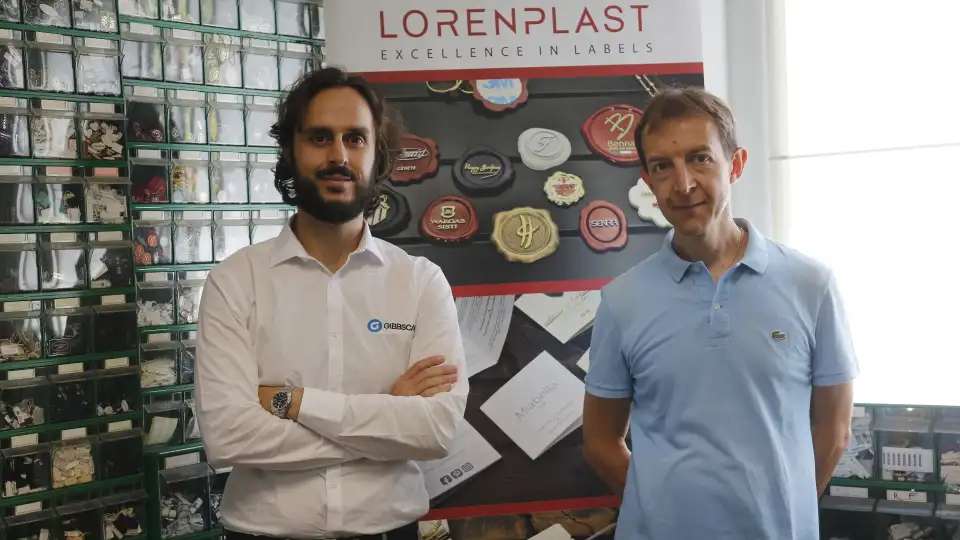
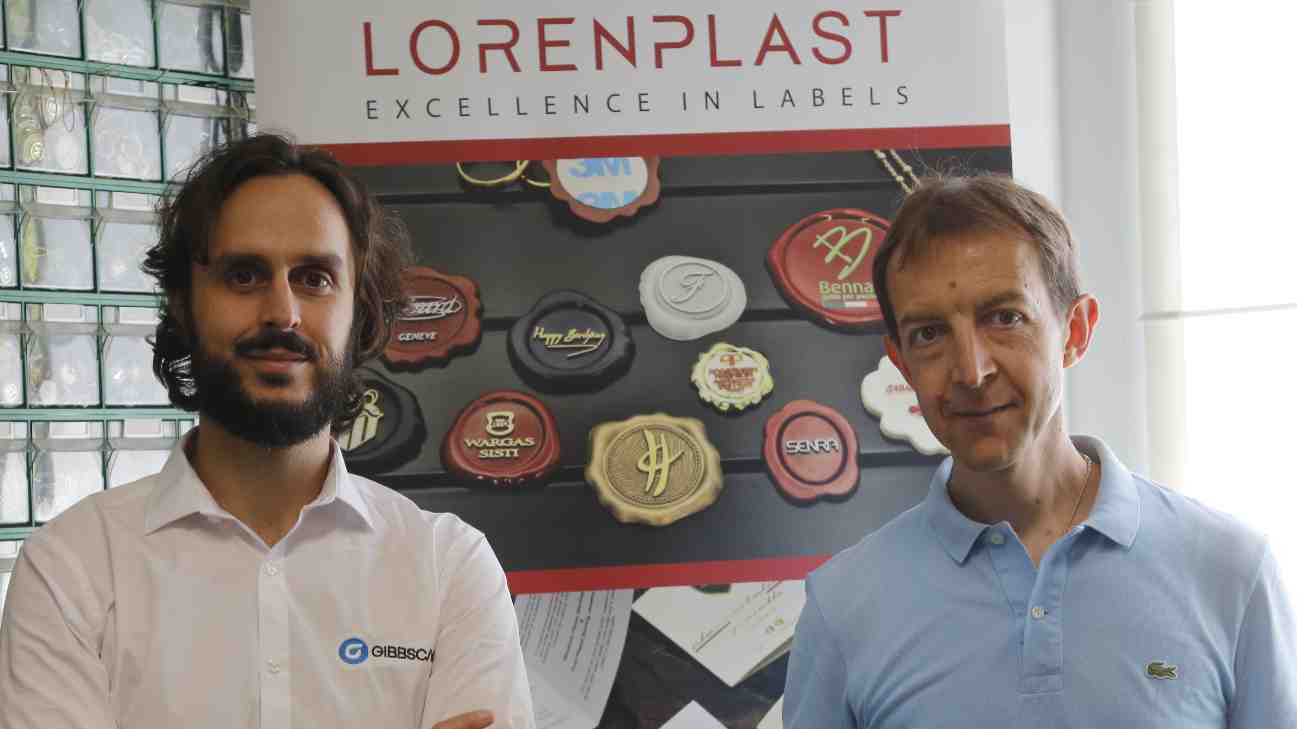
One such company is Lorenplast, a business specializing in the production of plastic tags and seals for the jewelry industry.
Interview with Fabio Lorenzi of Lorenplast
Can you tell us the story of Lorenplast?
Lorenplast is a family-owned company founded in 1974 in Cornedo Vicentino, Italy. For more than fifty years, we have specialized in the production of plastic tags and seals primarily for the jewelry sector. Today, we export our products worldwide and have been exhibiting at the Vicenza Trade Fair for over forty years, one of the leading events in our industry.
What are the main requirements of your customers?
Our customers are very demanding and above all require fast turnaround times and absolute fidelity to the original design. We often receive unique geometries and very small details that must be reproduced with extreme precision. For this reason, we have consistently invested in new technologies and expertise.
How did the need to adopt GibbsCAM arise?
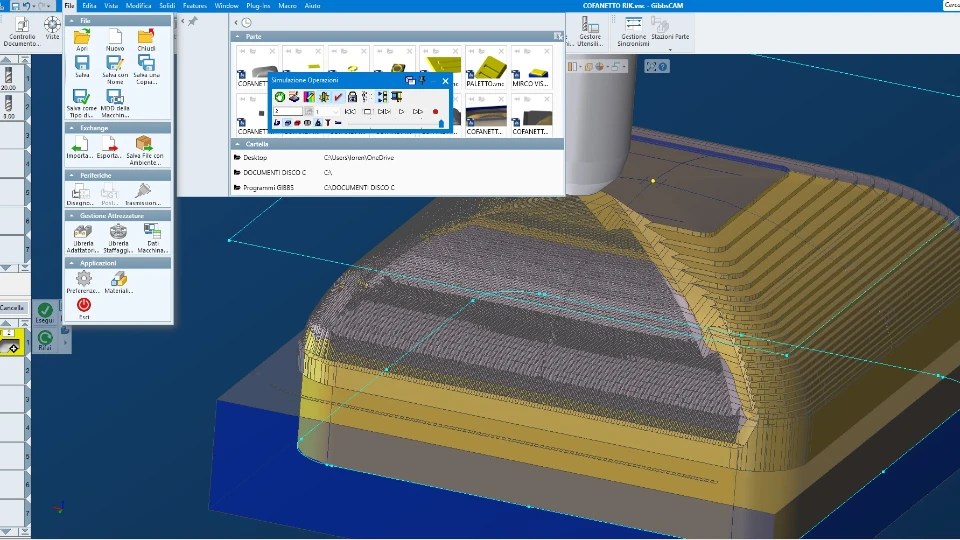
In recent years, we have modernized our machine shop by introducing new CNC machining centers. We therefore needed software that would allow us to program increasingly complex machining operations quickly and efficiently. After a thorough evaluation, we chose GibbsCAM because it enables us to handle any type of machining while maintaining very short production times.
What advantages have you gained through GibbsCAM?
The main difference is that today we are able to design and manufacture many components and molds in-house that previously had to be outsourced to external suppliers. This allows us to be faster, more independent, and more competitive.
Customers particularly appreciate this ability to respond immediately and continue to entrust us with new projects and production orders.
Besides plastic seals, are you involved in other types of production?
Recently, we expanded our offering to include adhesive labels. However, our core business remains the design and manufacture of plastic seals for the precious metals and jewelry industries.
How is the company organized today?
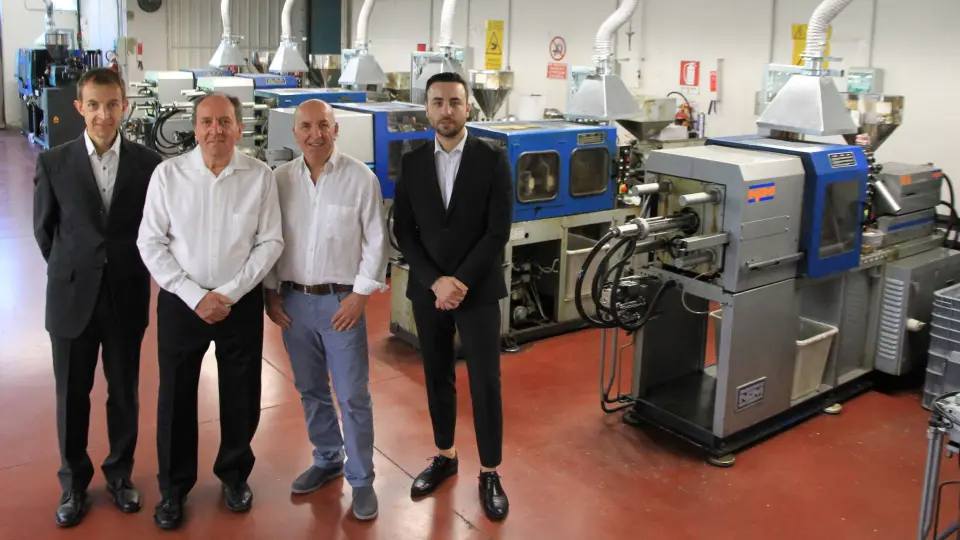
In recent years, we have also invested in human resources by bringing in new apprentices who work alongside our more experienced staff. Today, the company has four partners and four employees, for a total of eight people involved in various production activities.
From Craftsmanship to CNC Technology
How has your mold-making department evolved?
We still keep the first pantograph used by my father and uncle to manufacture molds. It is a completely mechanical copying machine that allowed geometries to be reproduced at different scales. The technology was very diffrent from what is available today, but it remains an important part of our history
What machines do you currently use?
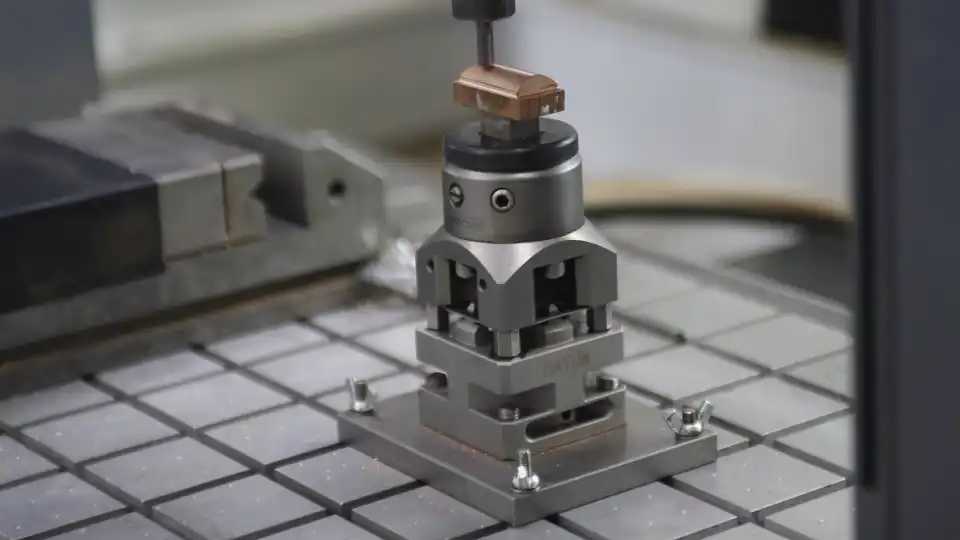
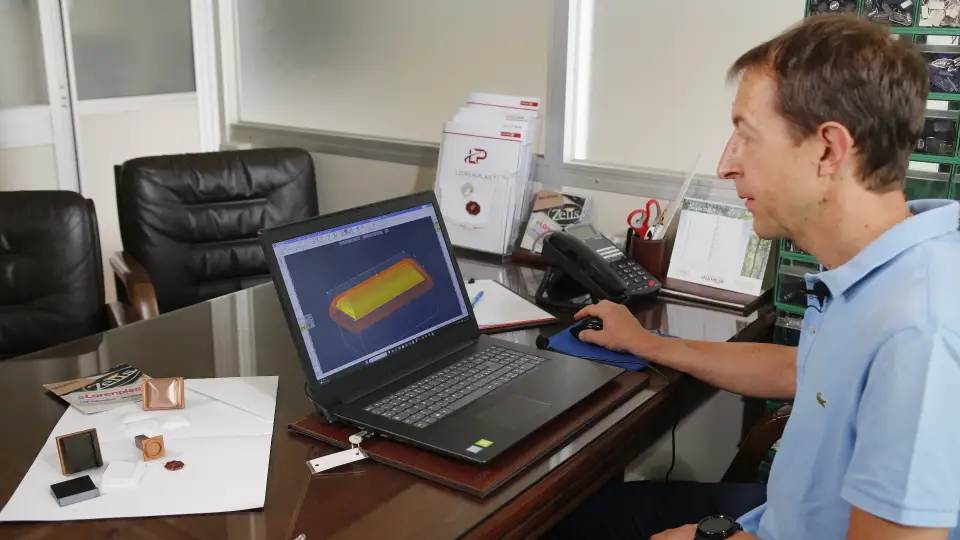
Today, we operate several pantographs and machine tools. One machine is dedicated to 2D machining, while another is equipped with GibbsCAM for 3D machining and the production of more complex geometries. We also manufacture electrodes for sinker EDM processes. Through this technology, we can create extremely precise details directly on steel molds.
Our workshop is fully equipped and includes a grinding machine, a conventional milling machine, and a CNC milling machine, which is also programmed using GibbsCAM.
How is GibbsCAM integrated into the production process?
We use the CNC milling machine to perform roughing operations, removing most of the material while leaving a minimal stock allowance. The part is then transferred to machines dedicated to precision machining, where the required final tolerances are achieved. When a design includes sharp corners or particularly complex details, we first produce an electrode that is subsequently used in the EDM process. GibbsCAM also plays a fundamental role in preparing these machining operations.
Absolute Precision for Small Components
How important is precision in your industry?
It is essential. The components we produce are often very small and must perfectly meet customer requirements. For this reason, we have also invested in advanced inspection equipment, including a microscope that allows us to verify the smallest details and ensure the conformity of the final product.
Can you describe a typical machining operation performed with GibbsCAM?
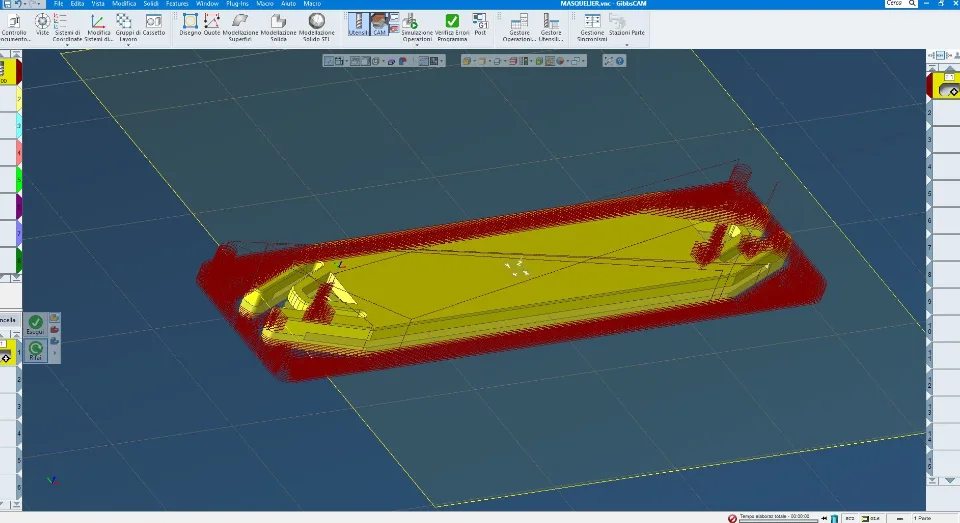
We are observing a finishing operation on a particularly complex geometry. Thanks to GibbsCAM, the machine tool is able to follow the programmed toolpath with great precision, achieving excellent surface quality while accurately reproducing the model requested by the customer.
This ability to transform complex geometries into precise and repeatable machining operations is one of the main reasons why we continue to use GibbsCAM with complete satisfaction.
Conclusion
The Lorenplast experience demonstrates how the integration of craftsmanship, advanced CNC technologies, and CAM software such as GibbsCAM can help improve productivity, quality, and responsiveness to market demands. This path of innovation has enabled the Vicenza-based company to maintain high quality standards and strengthen its presence in international markets.